
Top 5 Tips To Remember If You Find Injured Wildlife
“Warm, dark, quiet, and fast helps saves lives.”

Check pouches carefully
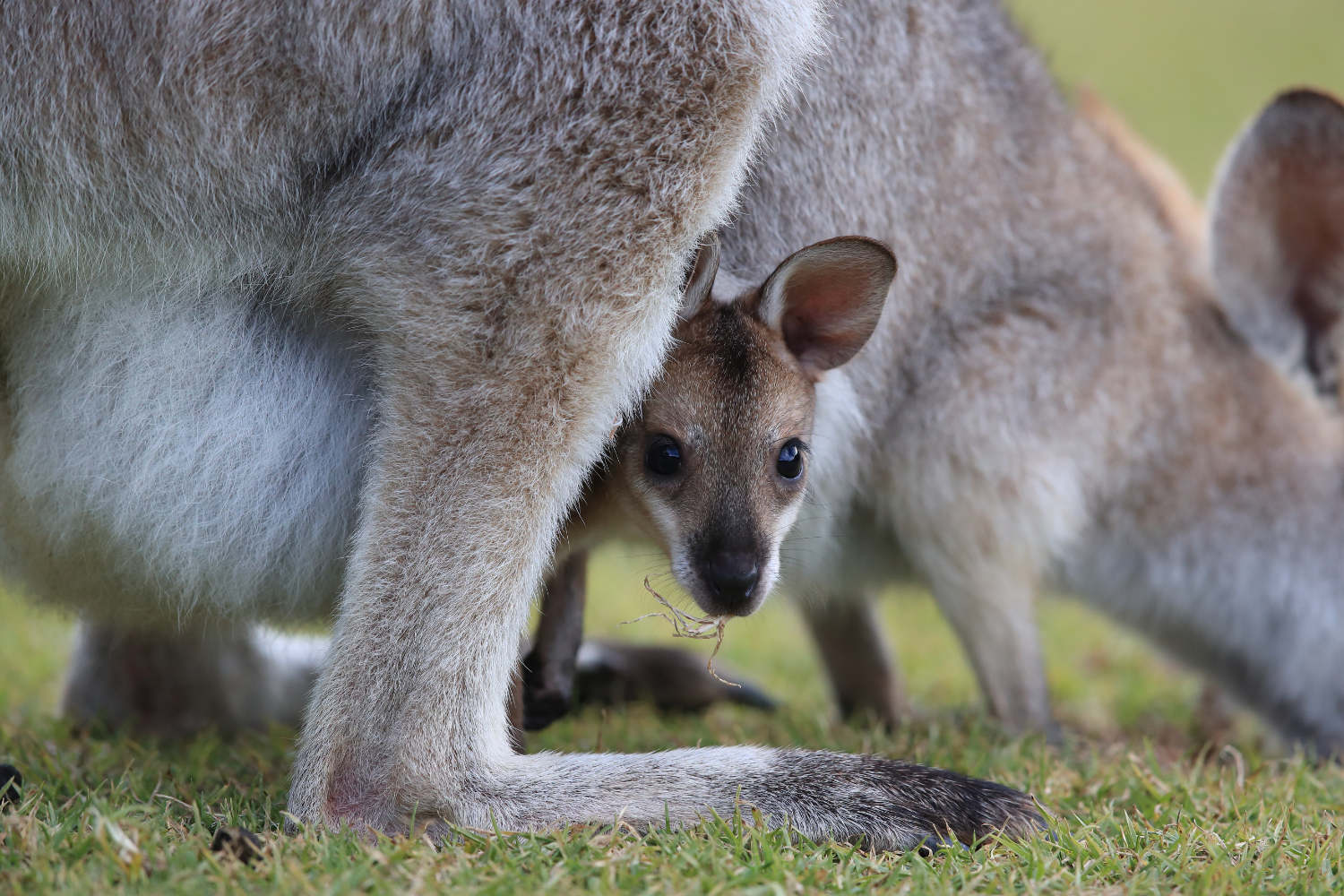
If you find a deceased marsupial on the roadside, always check the pouch. If a joey is attached, carefully cut the teat if needed or if you can’t then gently prise the joey free.
Do not feed injured wildlife
Never give food or milk. Joeys require specialised formulas, and incorrect feeding can cause serious harm or death.

Protect from heat and reduce stress
Move the animal to shade, keep it quiet and out of direct sun, and minimise handling. If transporting a joey, place it in a pillowcase or soft cloth so it feels secure, like being in a pouch.
Observe baby birds before intervening
If you find a young bird on the ground, watch from a distance first. It may be a fledgling learning to fly, with parents nearby.

Record the location and get expert help
If you need to move an animal, note exactly where it was found and pass this information on to a vet or licensed wildlife carer as soon as possible.
Not sure what to do?
Essential Information
It is an offence to keep native Australian wildlife at home unless you are a registered carer. Fines up to half a million dollars and/or imprisonment. More importantly, wildlife needs experienced and specialised care with a rehabilitation plan and ideally a return to the bush.
Never try to catch or harm a snake. Ring a snake catcher and keep an eye on the snake (from a distance) so they can find it when they arrive. Also do not attempt to handle large lizards or bats.
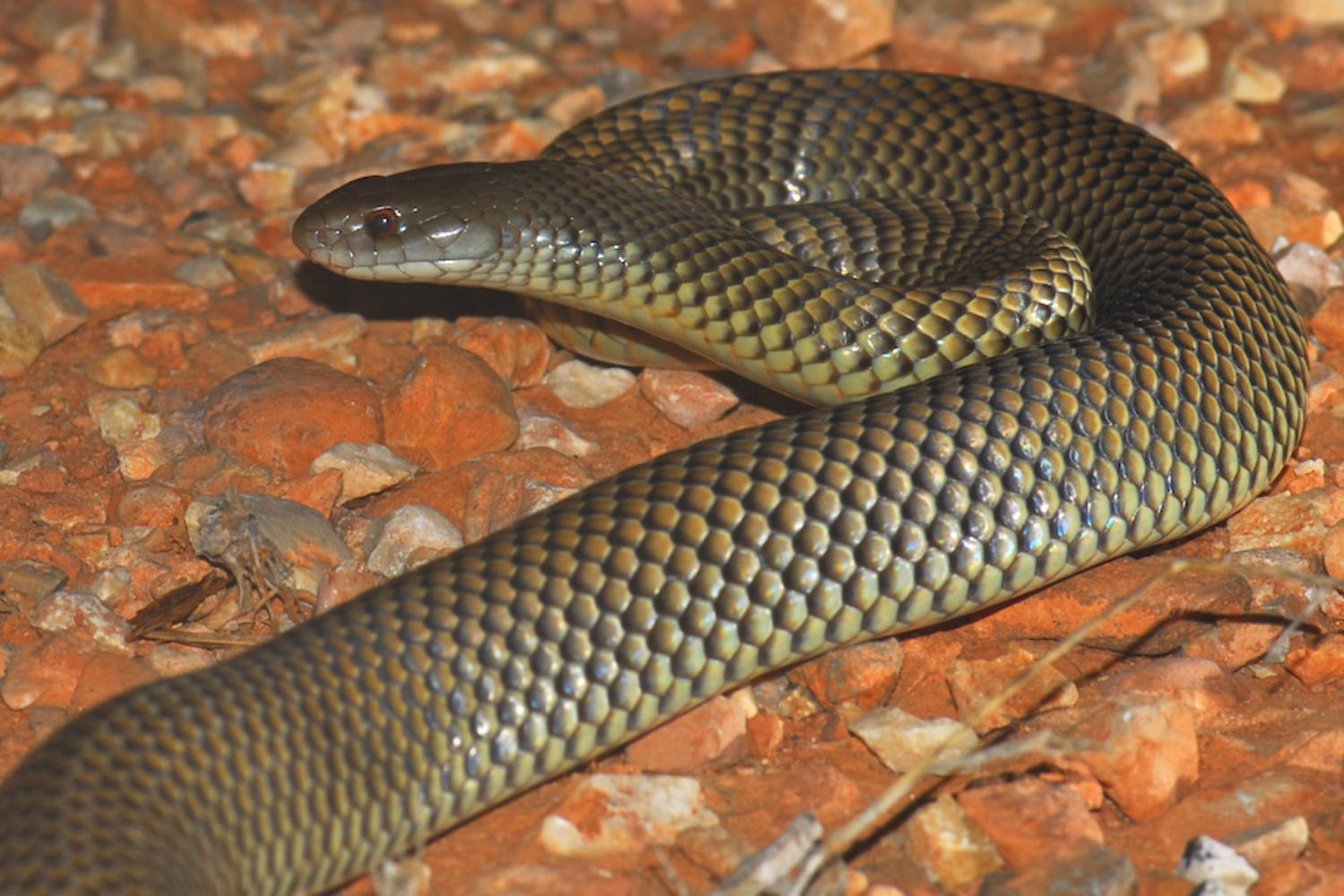
Mulga snake (Pseudechis australis). Image: SMacdonald