ICU Project
BACKGROUND
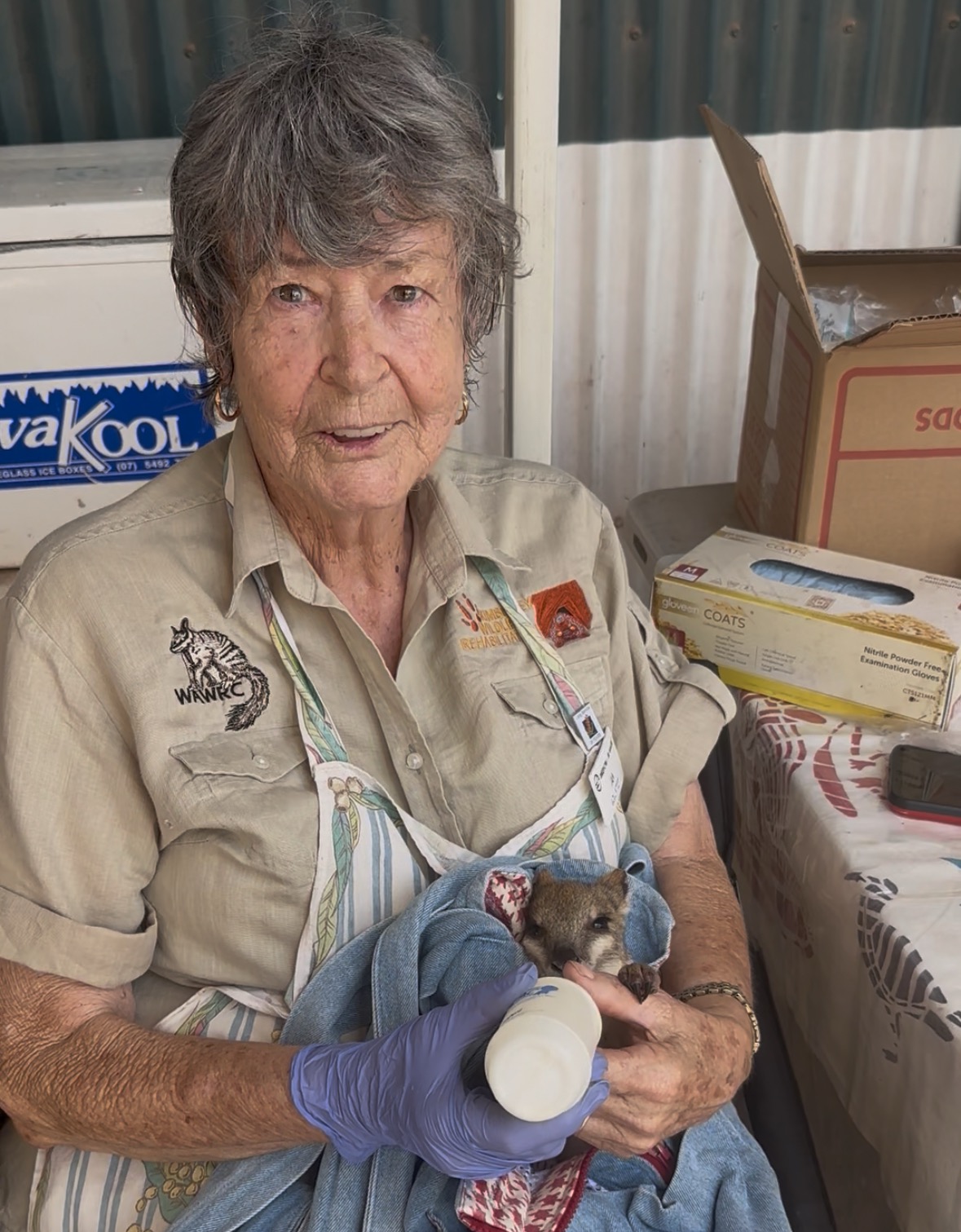
Jan Martin began rescuing wildlife in the Kimberley in 1993 and has since received local and international recognition for her contribution to wildlife conservation and rehabilitation. In 1997, she established Broome Wildlife, a not-for-profit, non-government organisation dedicated to rescuing, treating and rehabilitating native animals across Broome and the wider Kimberley region. In 2007, the organisation was re-established as Kimberley Wildlife Rehabilitation.
Over more than 33 years, Jan has cared for over a thousand injured, sick and orphaned animals, including kangaroos, wallabies, bats, birds and echidnas. Much of this work has been undertaken from facilities located at her own home. She has also played a significant role in developing wildlife-care networks throughout the region and has trained, mentored and supported local wildlife carers and volunteers.
Jan has been a pioneering figure in wildlife management in the Kimberley. She was the first person to identify the presence of Australian bat lyssavirus in Western Australia and the first to successfully hand-rear endangered native species including the nabarlek and the golden-backed tree-rat.
Her extensive knowledge and experience demonstrate both the continuing demand for wildlife rescue services in the Kimberley and the urgent need for a dedicated, purpose-built facility capable of providing specialist treatment and intensive care.
THE ICU PROJECT
A dedicated external site provides a safe and suitable environment for the rehabilitation and staged release of native wildlife. The larger site also creates opportunities to expand facilities and increase the number and range of injured, sick and orphaned animals that can be accommodated.
Wildlife requiring veterinary treatment or surgery cannot generally remain at veterinary clinics overnight. Animals must be collected following treatment and cared for throughout the night, often requiring close monitoring, medication, feeding and other forms of intensive support.
Securing an appropriate site in the Broome area has been particularly challenging because of land availability and native title considerations. After eight long years of advocacy, applications and meetings, Jan secured an agreement in the early 2000s for Parks and Wildlife, now the Department of Biodiversity, Conservation and Attractions, to lease a five-hectare parcel of undeveloped bushland on the outskirts of Broome to Kimberley Wildlife Rehabilitation.
The site has been used for wildlife rehabilitation and pre-release activities over the past 20 years. However, without a caretaker living on the property, it has not been possible to use the site to its full potential. Wildlife housed there can be disturbed or harassed by roaming dogs, and animals requiring overnight monitoring or intensive care cannot safely be left unattended.
Jan has therefore developed a plan to transform the property into a dedicated wildlife rehabilitation centre with accommodation for an on-site caretaker. The caretaker would oversee the daily care of rescued animals, manage staged pre-release programs and coordinate the treatment and rehabilitation of the wide range of native species received from across the Kimberley.
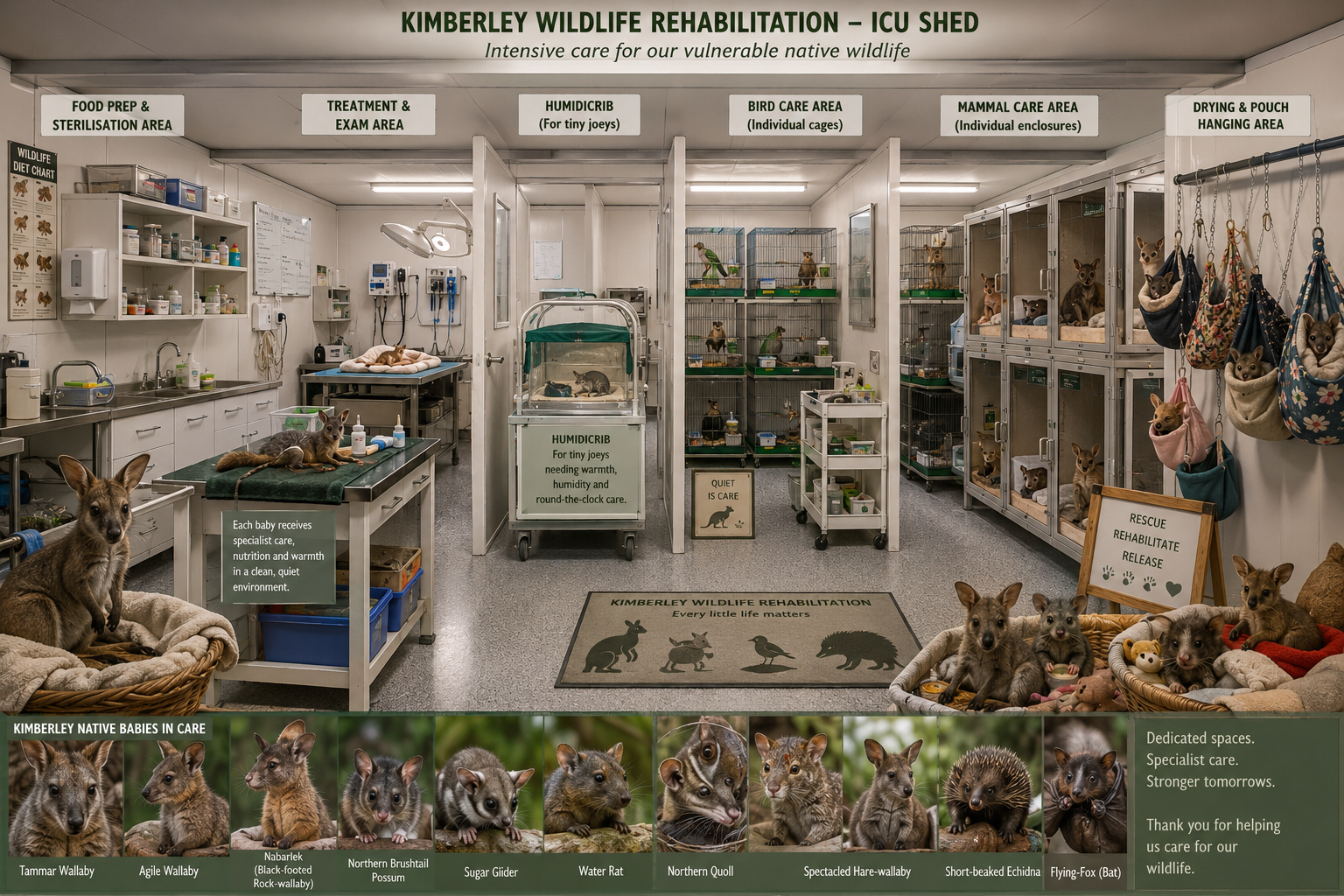
A central component of the project is the establishment of a dedicated wildlife intensive care unit for the region. The ICU would provide appropriate facilities for isolation, quarantine and intensive treatment, including incubators, intravenous fluids, specialised feeding and continuous monitoring. In the longer term, the facility could also support conservation initiatives such as breeding and recovery programs for threatened and endangered native species.
WHY THE ICU PROJECT IS SO IMPORTANT
The proposed wildlife intensive care unit is essential to provide specialist emergency, critical and overnight care for injured, orphaned and seriously ill native animals across Broome and the wider Kimberley region. Wildlife such as kangaroos, wallabies, bats, echidnas and other native species may require urgent treatment following vehicle strikes, animal attacks, habitat disturbance, extreme weather events, illness or the loss of a parent. Many of these animals need continuous monitoring, temperature control, specialised feeding, medication, intravenous fluids and a quiet, secure environment during the most critical stage of their recovery.
At present, access to purpose-built wildlife treatment facilities in the Kimberley is extremely limited. Veterinary clinics can provide important assessment, treatment and surgery, but native animals are generally unable to remain at these clinics overnight. They must therefore be transferred into the care of wildlife rehabilitators, who often provide intensive treatment from their own homes without access to dedicated quarantine, isolation or hospital facilities. This places considerable pressure on carers and limits the number and range of animals that can be safely accommodated at any one time.
A dedicated ICU would provide clean, secure and appropriately equipped spaces for isolation, quarantine, emergency treatment and recovery. It would allow animals with infectious illnesses to be separated from others, protect vulnerable animals from unnecessary stress and disturbance, and provide suitable areas for incubators, medical equipment, food preparation, medication storage and ongoing observation. These facilities would also improve infection control and create safer working conditions for carers, volunteers and visiting veterinary professionals.
Establishing the ICU in Broome would create a central point for wildlife rescue and critical care across a vast and remote region. It would reduce the need to transport fragile animals over long distances, allowing treatment to begin sooner and minimising the stress and risks associated with travel. The facility would also strengthen cooperation between wildlife carers, veterinary clinics, government agencies and rescue organisations by providing a recognised location where animals can be assessed, stabilised and directed into appropriate rehabilitation programs.
Most importantly, the ICU would significantly improve the chances of survival and successful release for native animals that may otherwise have limited treatment options. It would increase the capacity of Kimberley Wildlife Rehabilitation to respond to emergencies, support a broader range of species and provide consistent, high-quality care throughout the rehabilitation process. In the longer term, the facility could also contribute to wildlife research, carer training, community education and conservation programs for threatened and endangered species, making it an important investment in the protection of the Kimberley’s unique native wildlife.
Project Progress and Final Works Required
For more than a decade, Jan Martin has worked to turn the vision of a dedicated wildlife rehabilitation facility into reality. Through persistent fundraising, community advocacy and countless local sausage sizzles, she has secured significant donations of buildings, equipment, materials and labour. The project has progressed largely through community generosity and Jan’s sustained personal commitment.
Work Completed
Several major elements of the project have already been secured or completed:
- A portable two-bedroom caretaker’s residence has been donated and renovated. Note: the second bedroom will also need to be used for high-care wildlife that need 24 hour care and cannot be left in the ICU overnight.
- Furniture for the caretaker’s residence has been donated.
- A new kitchen, hot-water system, bathroom, laundry and toilet have been purchased using funds raised by Kimberley Wildlife Rehabilitation.
- Wildlife cages have been donated, with additional cages loaned by a local bird carer.
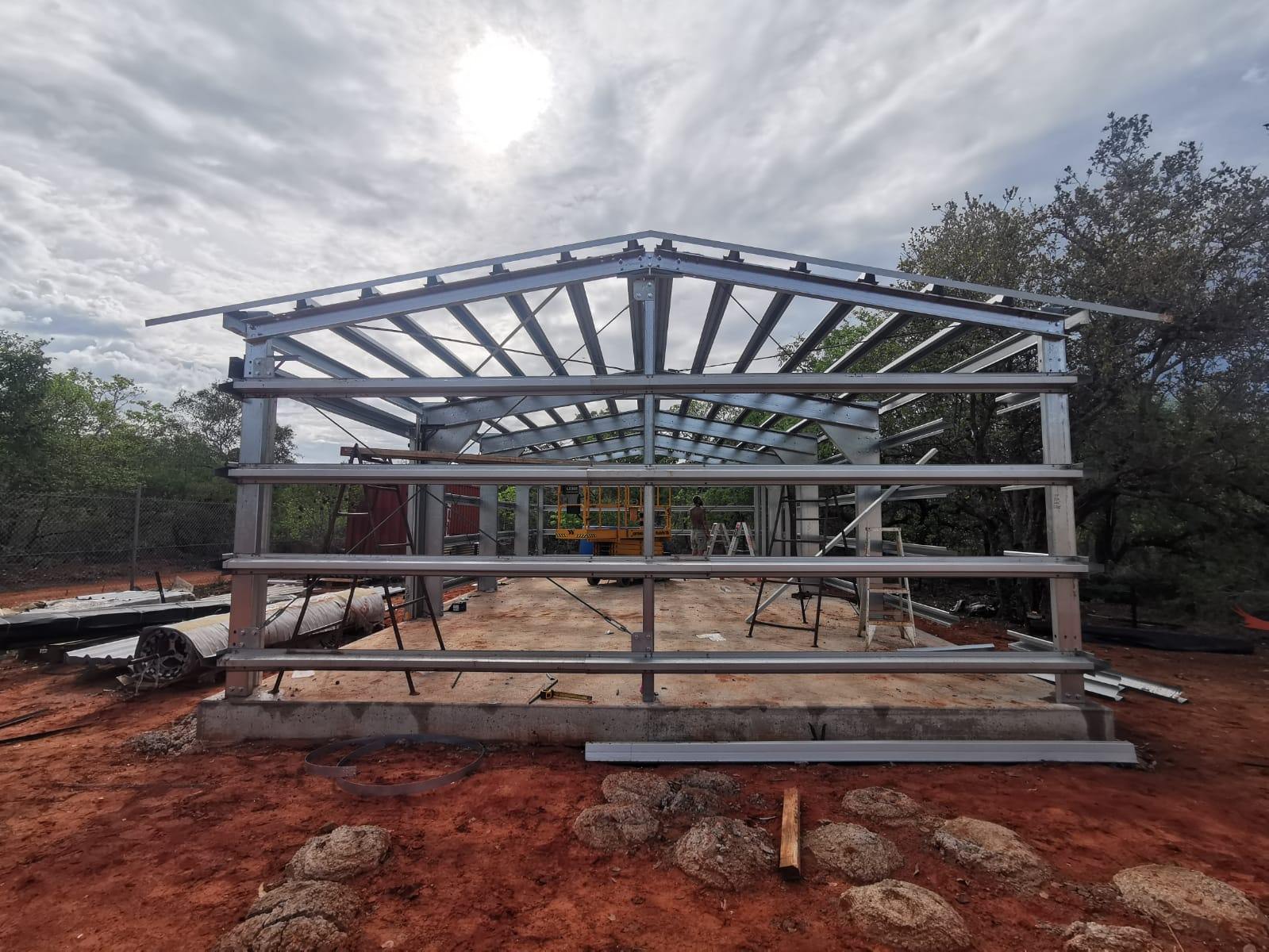
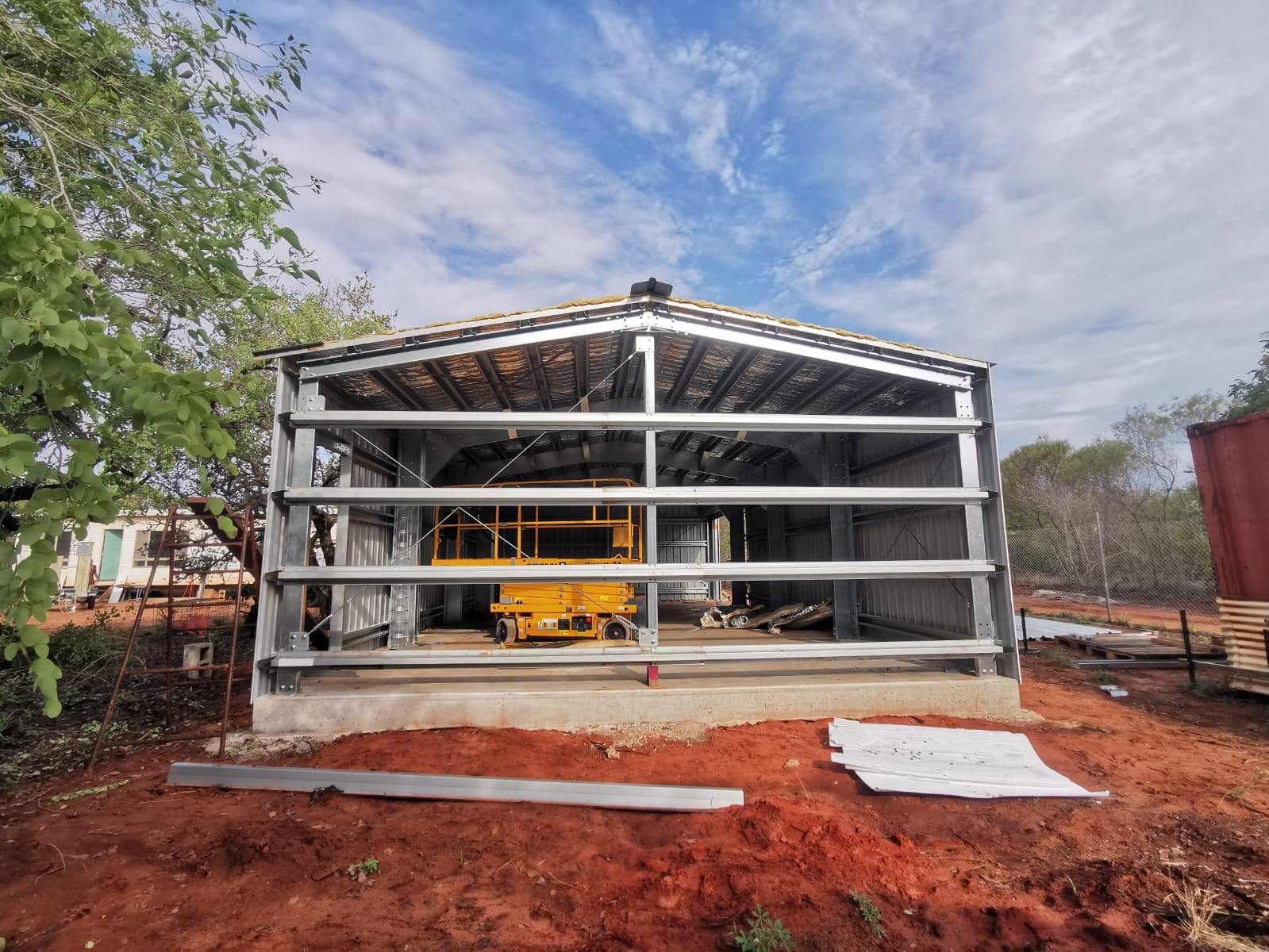
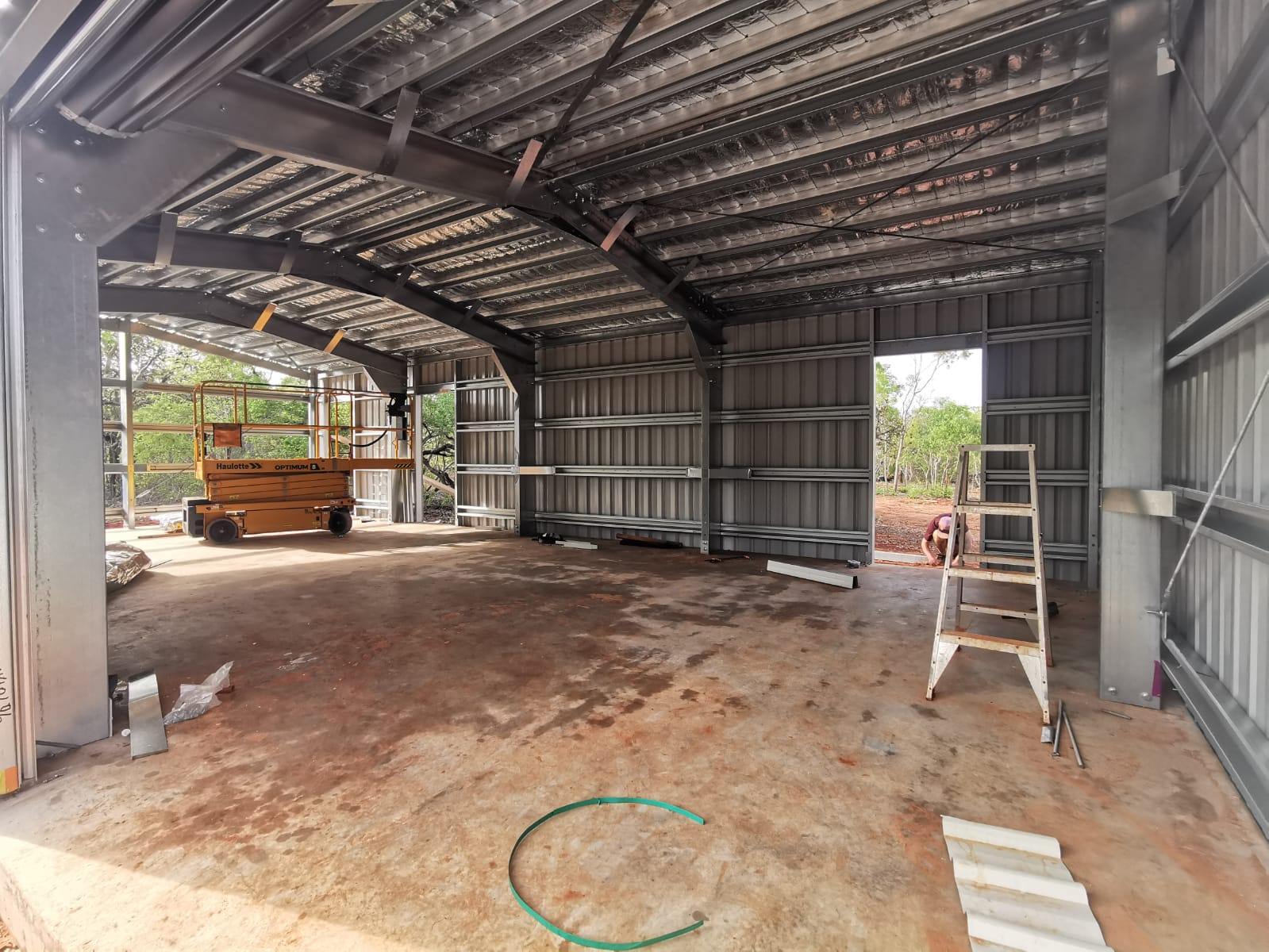
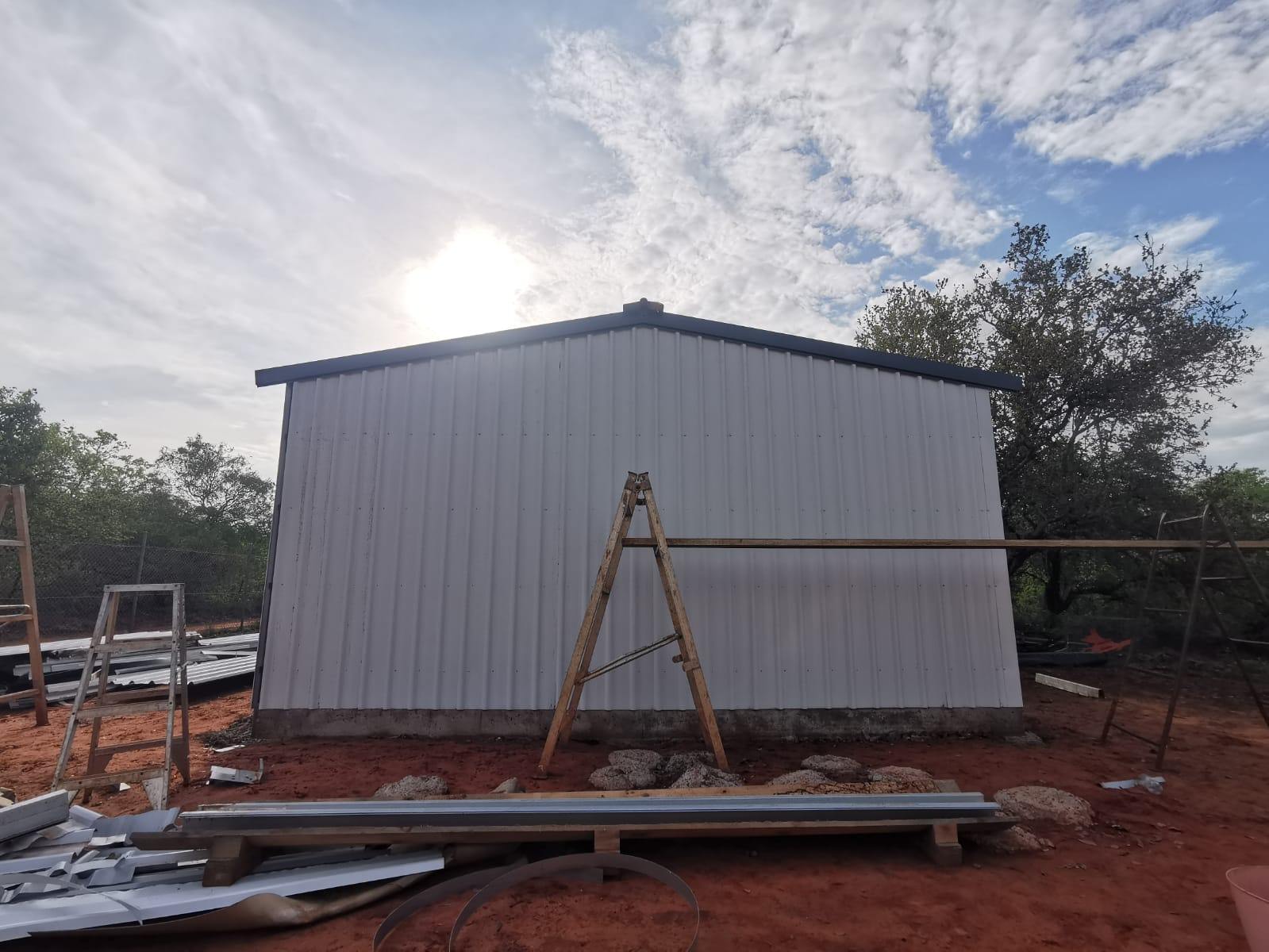
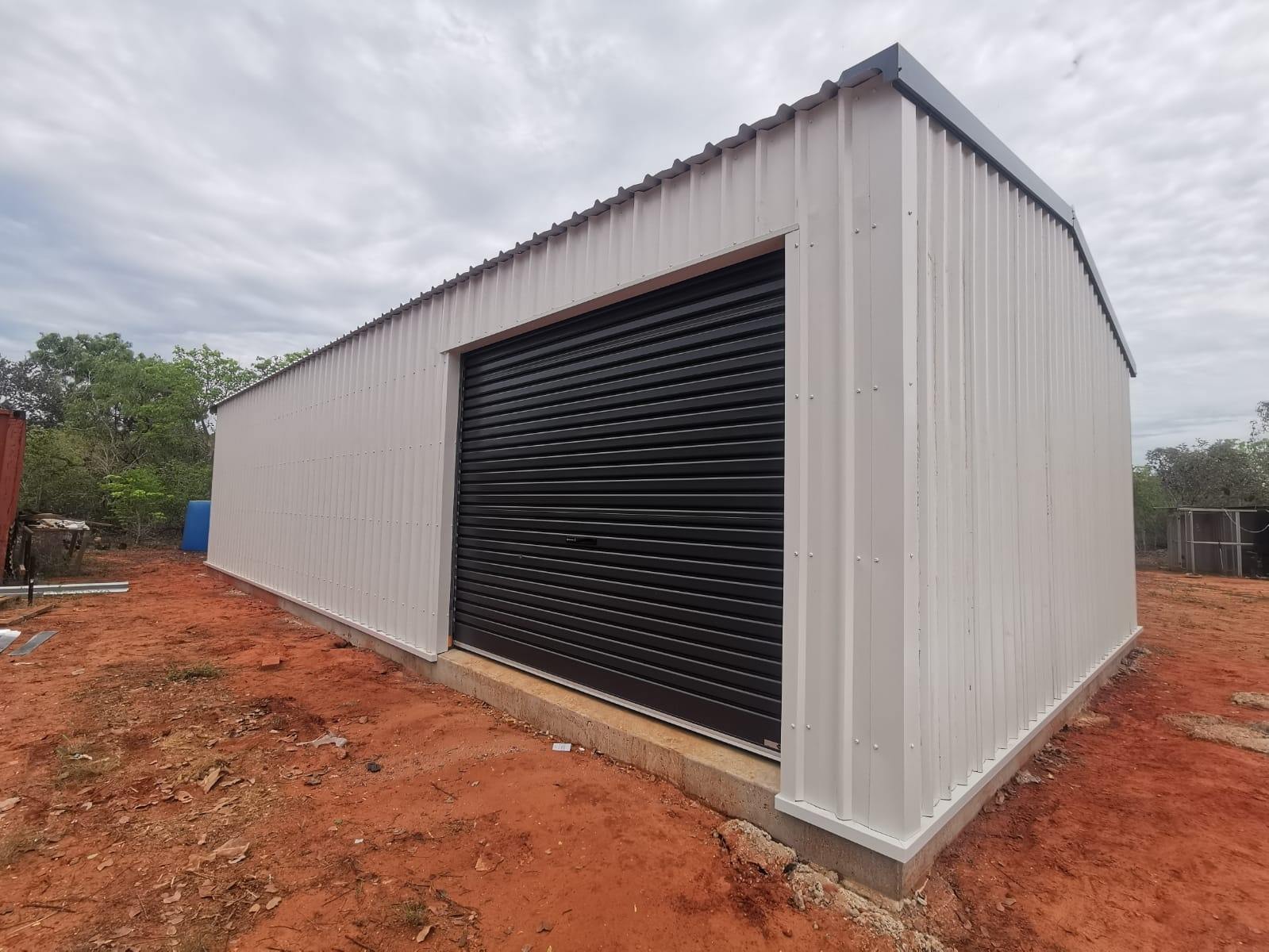
- A 6-metre by 12-metre shed has been donated by the Department of Primary Industries and Regional Development for conversion into the wildlife ICU.
Work Currently Underway
Additional infrastructure is now being developed to make the site functional for carers and volunteers. Current works include:
- connecting power to the property;
- constructing outdoor ablution facilities for volunteers; and
- establishing a camp kitchen for volunteers working or staying at the site.
Final Works Required for the Wildlife ICU
The donated shed currently provides the basic structure for the proposed ICU, but it must be fully fitted out before it can safely accommodate injured, orphaned and critically ill wildlife.
The required works include insulating and lining the internal walls, dividing the shed into separate clinical spaces, installing windows and an internal door, fitting air conditioning, completing the internal finishes and purchasing specialist ICU equipment.
The proposed building works include:
- installation of treated-pine wall battens and approximately 90 square metres of 6 mm James Hardie Versilux fibre-cement wall lining;
- installation of R2.0 thermal insulation throughout the lined wall areas;
- construction of an insulated internal dividing wall to create separate treatment and care spaces;
- installation of an internal passage door, including jambs, hinges and hardware;
- installation and sealing of two windows;
- installation of PVC joint and corner strips, skirting boards and architraves;
- filling, sealing and sanding all joints and fixings in preparation for painting;
- application of a two-coat paint finish to the internal walls;
- supply of all fixings, fasteners and incidental materials; and
- supply and installation of an 8 kW split-system air-conditioning unit to service both internal areas.
Once the building work is complete, the ICU will also require power to the site, specialist equipment such as incubators, treatment benches, secure animal enclosures, storage, food-preparation facilities, medical equipment and supplies for emergency and intensive care.
Completing these final works will transform the donated shed into a secure, hygienic and climate-controlled wildlife hospital capable of providing isolation, quarantine, stabilisation, overnight monitoring and intensive care. It represents the final major stage in creating a dedicated wildlife treatment facility for Broome and the wider Kimberley region.
Benefits for Wildlife and the Kimberley Community
The wildlife ICU would deliver substantial benefits for both native animal patients and the wider Kimberley community. Injured, orphaned and critically ill wildlife would receive timely, specialised care in a secure, hygienic and climate-controlled environment designed specifically for treatment, intensive monitoring and recovery. Access to appropriate facilities would improve animal welfare, increase the likelihood of successful rehabilitation and release, and reduce the risk of complications during the most vulnerable stages of care.
The facility would also reduce the considerable pressure currently placed on individual wildlife carers, who often provide complex and demanding care from their own homes. It would complement the work of local veterinary clinics by providing a dedicated location where animals could receive overnight monitoring, ongoing treatment and rehabilitation following veterinary assessment or surgery.
By establishing a central wildlife ICU in Broome, the project would strengthen the region’s ability to respond to wildlife emergencies across the vast Kimberley area. It would support greater coordination between carers, veterinarians, rescue organisations, volunteers and government agencies, while providing opportunities for training, community education and volunteer involvement.
In the longer term, the ICU would help protect the Kimberley’s distinctive native wildlife by improving rehabilitation outcomes, building local wildlife-care capacity and supporting future conservation initiatives for threatened and endangered species.
Next Step: Securing Funding
The next critical step is to secure grant funding for the final and most significant stage of the project. Funding is required to complete the internal construction and fit-out of the donated ICU shed, including insulation, wall lining, room divisions, windows, air conditioning and essential specialist equipment.
The project has already benefited from substantial community fundraising, donated infrastructure, equipment and volunteer support. Grant funding would build on this investment and allow the existing shed to be transformed into a fully operational wildlife intensive care facility. Completing this stage would bring more than a decade of planning, advocacy and fundraising to fruition and provide Broome and the wider Kimberley with a dedicated facility for the emergency treatment, intensive care and rehabilitation of native wildlife.
A not totally realistic but fun AI imagining of what the ICU may look like one day!